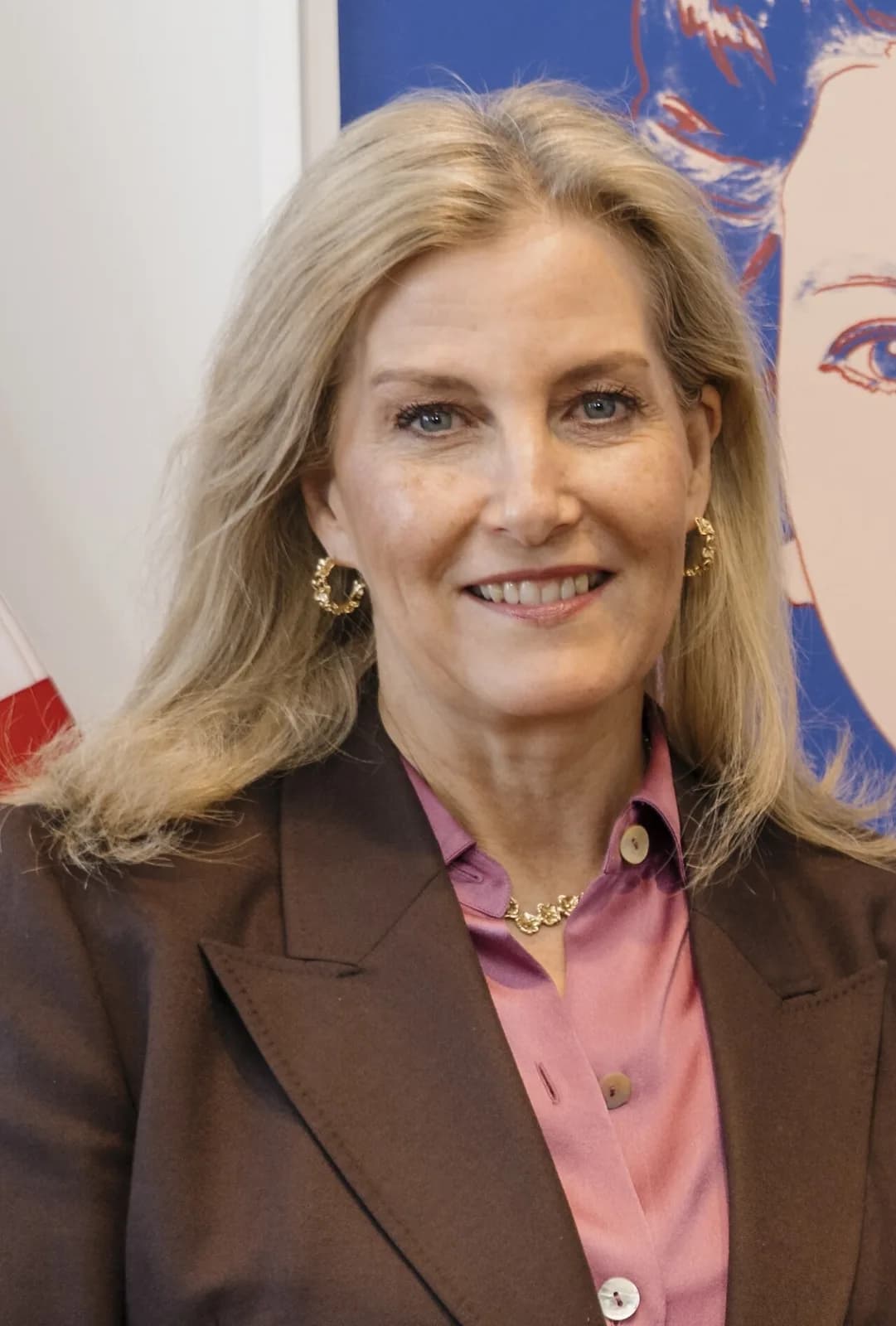
The Duchess of Edinburgh visited Bangladesh from 9 to 11 November 2026, at the request of the Foreign, Commonwealth and Development Office. It was her sixth international visit of the year, and her second visit to Bangladesh, after a previous visit in 2017. The focus was the welfare, protection and empowerment of women and girls, and the strength and breadth of the partnership between the United Kingdom and Bangladesh.
In Dhaka she met the President of Bangladesh and the Prime Minister's spouse, Dr Zubaida Rahman. The meetings gave the visit its formal start, and they set out the official purpose of the trip. The Duchess was in Bangladesh to see the work being done for women and girls, and to hear from the people involved in that work.
She visited the Bangladesh Institute of Peace Support Operation Training, known as BIPSOT. The institute trains personnel for United Nations peacekeeping, and the visit looked at Bangladesh's role in peacekeeping and at women's participation in peace and security. Bangladesh has a long record of sending troops to UN missions, and the Duchess's visit put the focus on the women who serve in those missions and on the training that prepares them.
She also visited the Bangladesh Krira Shikkha Protishtan, known as BKSP, the country's national sports institute. There she met young athletes, including female hockey players. The visit looked at sport and the opportunities it gives women and girls, from training and competition to the confidence that comes with playing at a high level. For the young players she met, the visit was a chance to show their work to a visitor from Britain.
The Duchess also attended an event with young people to mark 75 years of the British Council in Bangladesh.
Cox's Bazar: a camp visit on 10 November
On 10 November, according to the Court Circular, the Duchess travelled to Cox's Bazar, where she visited a Rohingya refugee camp. She was accompanied by the British High Commissioner, Sarah Cooke. The visit looked at protection and support services for displaced women, girls and families, and at the resilience, leadership, rehabilitation and inclusion of the people living in the camp.
The Duchess's visit focused on the women and girls in the camp, on the services that support them, and on the work being done to help them rebuild their lives.
The three days in Bangladesh covered a wide range of work. The Duchess moved from formal meetings in Dhaka to training centres and sports fields, and then to a refugee camp on the coast. Each stop was linked to the same theme: the welfare, protection and empowerment of women and girls. The visit also showed the range of the UK-Bangladesh partnership, from peacekeeping and sport to education and support for displaced people.
A separate event in London
Eight days after the Bangladesh visit ended, the Duchess attended a separate event in London. On the evening of 19 November 2026 she went to a reception at the House of Lords to mark the launch of the Georgetown Institute for Women, Peace and Security's 2025/26 Index. The reception was in London, not in Dhaka, and it was a separate event from the Bangladesh visit.
The Duchess is Champion for Women, Peace and Security, a role that links her work in Bangladesh with her work in Britain. The Georgetown Institute's Index measures how women are faring in countries around the world, looking at inclusion, justice and security. The launch of the 2025/26 Index gave the Duchess a chance to mark the publication of new research, and to meet the people behind it.
The two events, in Dhaka and in London, covered different ground. The Bangladesh visit was about seeing work on the ground, from peacekeeping training to a refugee camp. The London reception was about research and policy, and about the data that helps governments and charities decide where to act. Together they showed the two sides of the Duchess's work on women, peace and security: the visits that bring her face to face with the people affected, and the London events that support the research behind the policy.