
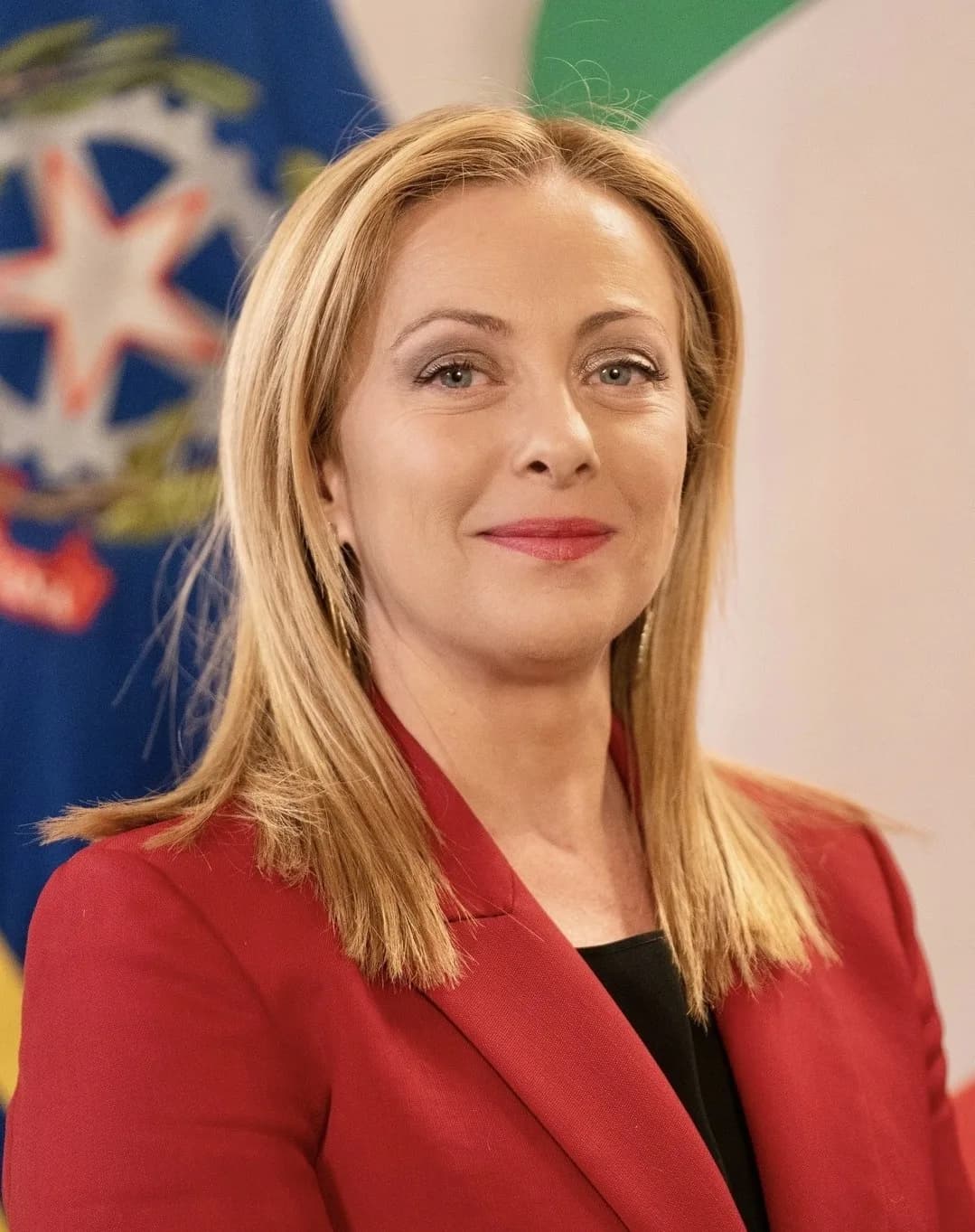
Giorgia Meloni told European Union leaders on Thursday, 26 November 2026, that they are "light-years away" from agreeing the bloc's next long-term budget, setting up a hard negotiation over nearly €1.6 trillion ($1.75 trillion) for 2028 to 2034.
"We are not willing to sign off on a budget under which we would have to give more to receive less," she told reporters before an extraordinary EU summit in Brussels, according to Reuters. The budget needs the agreement of all 27 member states, and leaders want a deal by the end of the year. Elections next year in Italy, France, Poland, Greece, Estonia, Finland and Slovakia could complicate the talks, Reuters reported.
Meloni, 49, was born in Rome and has led Brothers of Italy since 2014. She served as youth minister under Silvio Berlusconi from 2008 to 2011, then took her party from the margins to victory in the 2022 election, when she became Italy's first woman prime minister. She has held the office since October 2022.
A warning on the Mediterranean
Meloni also warned that the war between Russia and Ukraine must not spread into the Mediterranean, after Ukraine sank a Russian military vessel in Libyan waters on Sunday.
"I believe that the war must not widen to the Mediterranean. We have to be clear with our Ukrainian friends and with our partners," she said. She said she intends to speak openly with Ukrainian President Volodymyr Zelensky about Rome's concerns.
Italy's foreign minister, Antonio Tajani, said he had spoken by telephone with his Ukrainian counterpart, Andrii Sybiha, and stressed Italy's commitment to Libya's territorial integrity. The League, a right-wing party in Meloni's governing coalition, called the attack unacceptable and warned it could destabilise Libya.
A schools law at home
On the same day, Italy's parliament gave final approval to a government schools decree that bans face coverings such as the burqa and niqab in schools and caps at 30 percent the share of pupils who do not speak Italian well enough in first-year classes, from the 2027–28 school year.
The Chamber of Deputies approved the decree by 142 votes to 112, with four abstentions, the ANSA news agency reported. The Senate had approved it days earlier, by 86 votes to 46.
The decree, first approved by Meloni's cabinet on 24 September, also requires parents of foreign pupils who struggle to integrate to attend Italian-language courses, with fines for those who refuse. Supporters, including Meloni, describe the measures as common-sense tools for integration. Critics say they stigmatise foreign children and are aimed at next year's election.
The budget talks continue, with leaders under pressure to reach a deal by the end of the year. The schools law now moves into force in stages, with the 30 percent classroom cap applying from the 2027–28 school year.