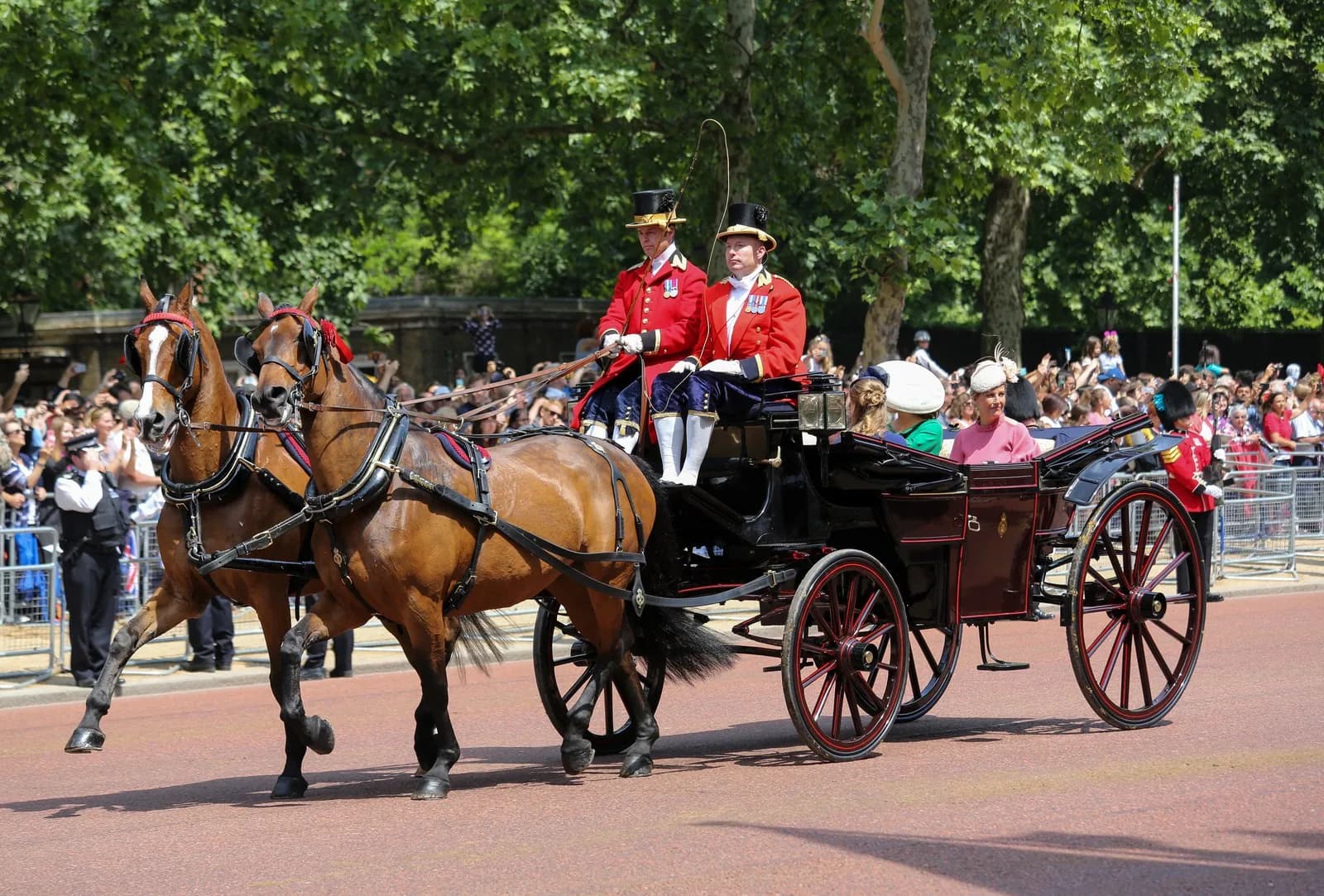
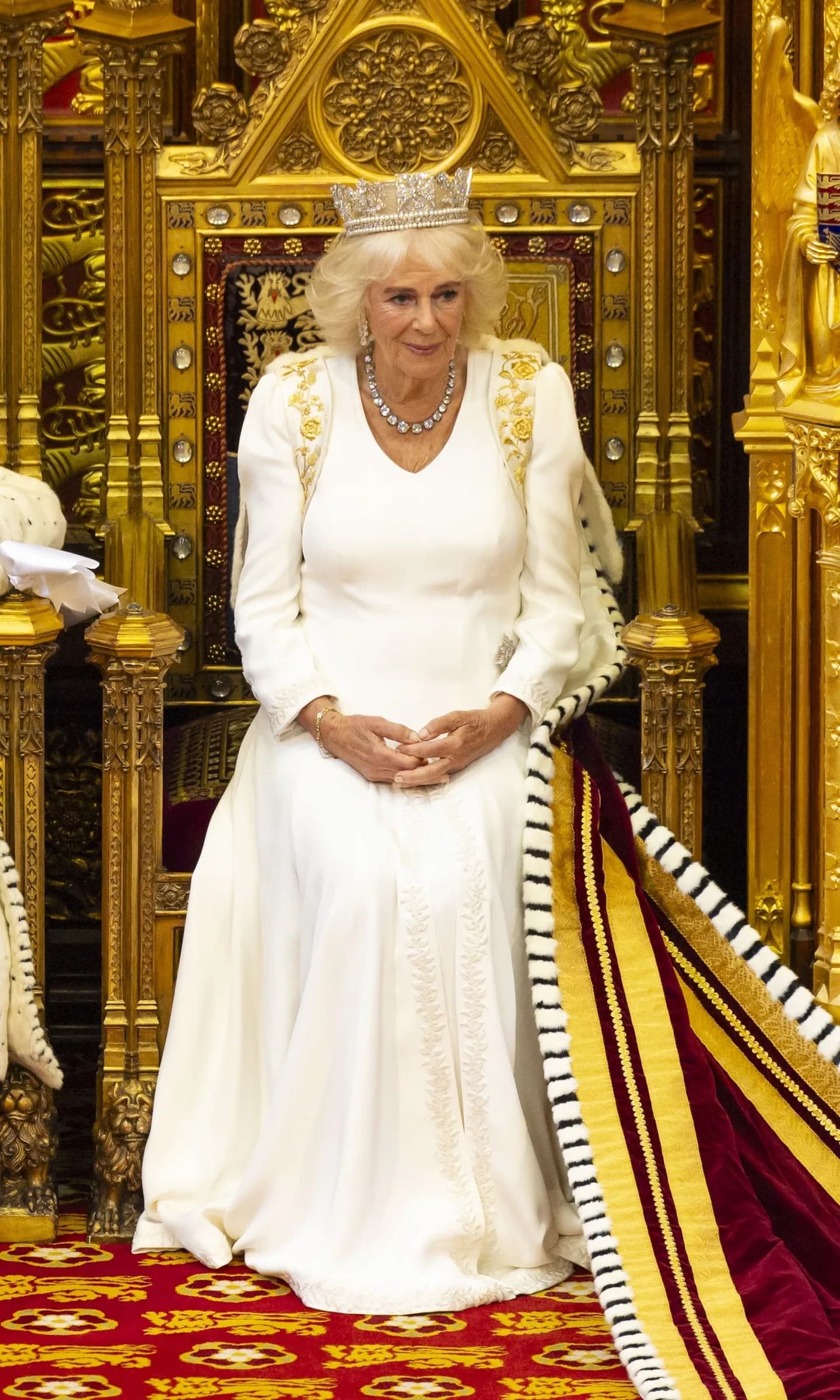
There is currently no reigning queen anywhere in the world. The last one, Queen Margrethe II of Denmark, stepped down on 14 January 2024 after 52 years on the throne, handing the crown to her son, who became King Frederik X. She had announced the decision in her New Year's address on 31 December 2023.
The most prominent recent reigning queen was Queen Elizabeth II of the United Kingdom, who reigned from 1952 until her death in 2022. After her passing, her son became King Charles III, and Margrethe was the world's only remaining queen who ruled in her own right. Her abdication left every monarchy headed by a king or another male sovereign, a situation that still holds in 2026.
That does not mean the world's thrones are without queens. More than a dozen nations have queen consorts — the wives of reigning kings — and their roles range from purely ceremonial to genuinely influential, depending on the country and the woman holding the title.
The consorts who carry the crown
Queen Camilla is consort to King Charles III, and her title extends beyond the United Kingdom to the other Commonwealth countries where Charles is head of state, including Canada, Australia and New Zealand. She married Charles in April 2005 and became queen consort on 8 September 2022, the day he became king.
Queen Mary of Denmark became queen when her husband took the throne in January 2024. Born in Australia, she married the then Crown Prince Frederik in 2004, and her path from Hobart to the Danish throne made her one of the most watched royal stories of her generation.
Queen Letizia of Spain was a television journalist before she married King Felipe VI in 2004. She became queen when he took the throne on 19 June 2014, and she is known for a working style that stays close to culture, education and health causes.
Queen Máxima of the Netherlands, born in Argentina, married King Willem-Alexander in 2002 and became queen on 30 April 2013. She has built a public profile around financial inclusion and development, speaking often at international forums.
Queen Rania of Jordan has built the most prominent international profile of any current consort. Married to King Abdullah II since 1993, she became queen on 7 February 1999. She founded the Queen Rania Foundation for Education and Development, serves as UNICEF's first Eminent Advocate for Children, and sits on the boards of the United Nations Foundation and the World Economic Forum, advocating for education and refugee rights.
Others keep a lower profile but hold the same title. Queen Mathilde of Belgium has been queen since 21 July 2013. Queen Silvia of Sweden has held the title since 1976, making her the longest-serving current consort in Europe. Queen Sonja of Norway, Queen Jetsun Pema of Bhutan — married to King Jigme Khesar Namgyel Wangchuck since 2011 — and Queen Suthida of Thailand complete a list that stretches from Europe to Asia. In Japan, Empress Masako has held her title since Emperor Naruhito took the throne on 1 May 2019.
The queens to come
Reigning queens will return within a generation. Several European crown princesses are next in line for their thrones. Crown Princess Victoria of Sweden will one day become queen under her country's gender-neutral succession law. Princess Elisabeth of Belgium, Duchess of Brabant, is her father's heir. Catharina-Amalia, Princess of Orange, is the heir in the Netherlands, and Leonor, Princess of Asturias, is the heir in Spain.
For now, the crown's public face belongs largely to the consorts. The consorts hold no ruling power. In an age when monarchies survive on public goodwill, the women beside the throne do much of the work of keeping it visible — opening schools and hospitals, carrying charities, and standing in for the institution at home and abroad.