Monarchy may look like a relic, but more than 26 monarchies still reign in over 43 countries, and a handful of royal families draw more attention than all the rest. Some hold real political power. Others survive on ceremony, history and public affection. These are the seven the world watches most.
Europe's headline families
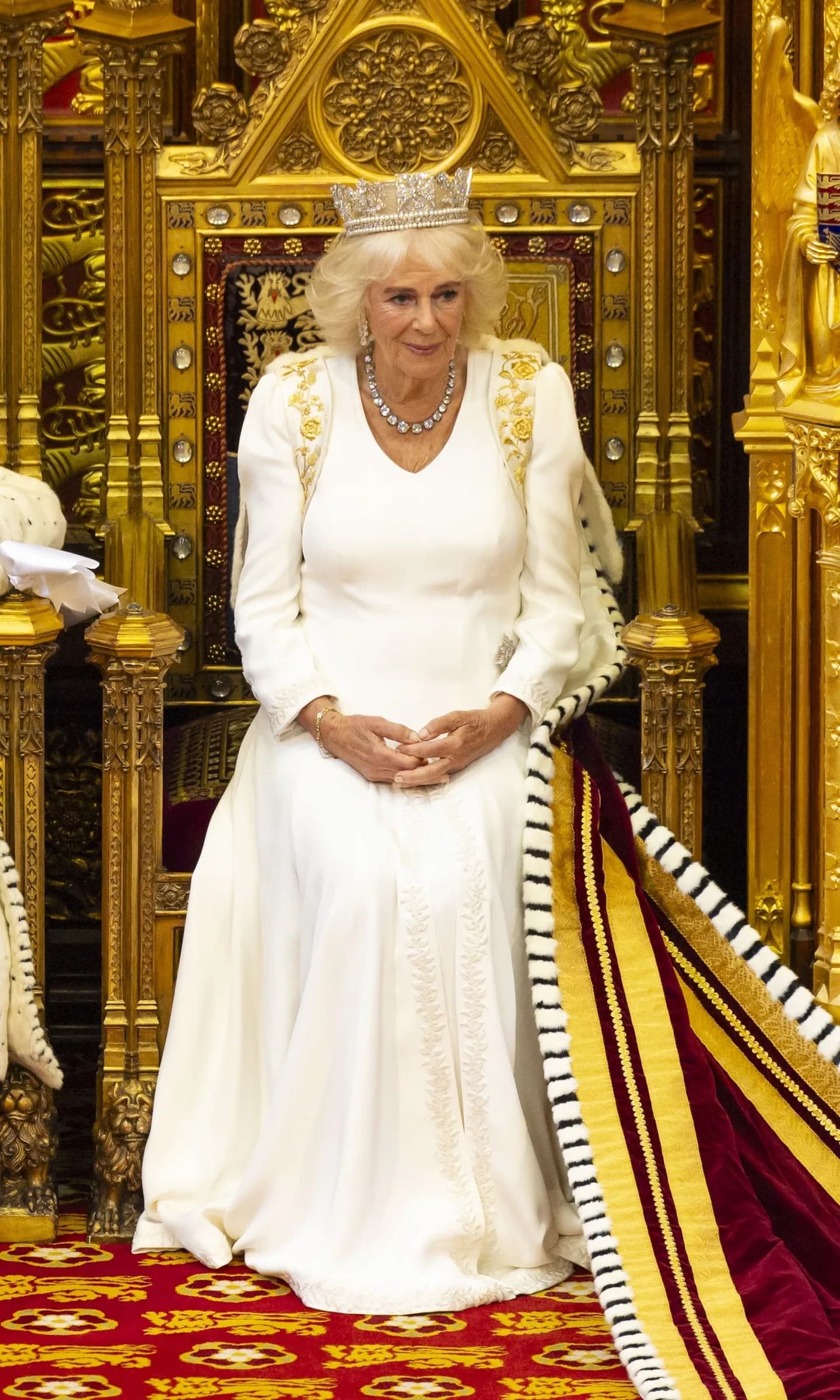
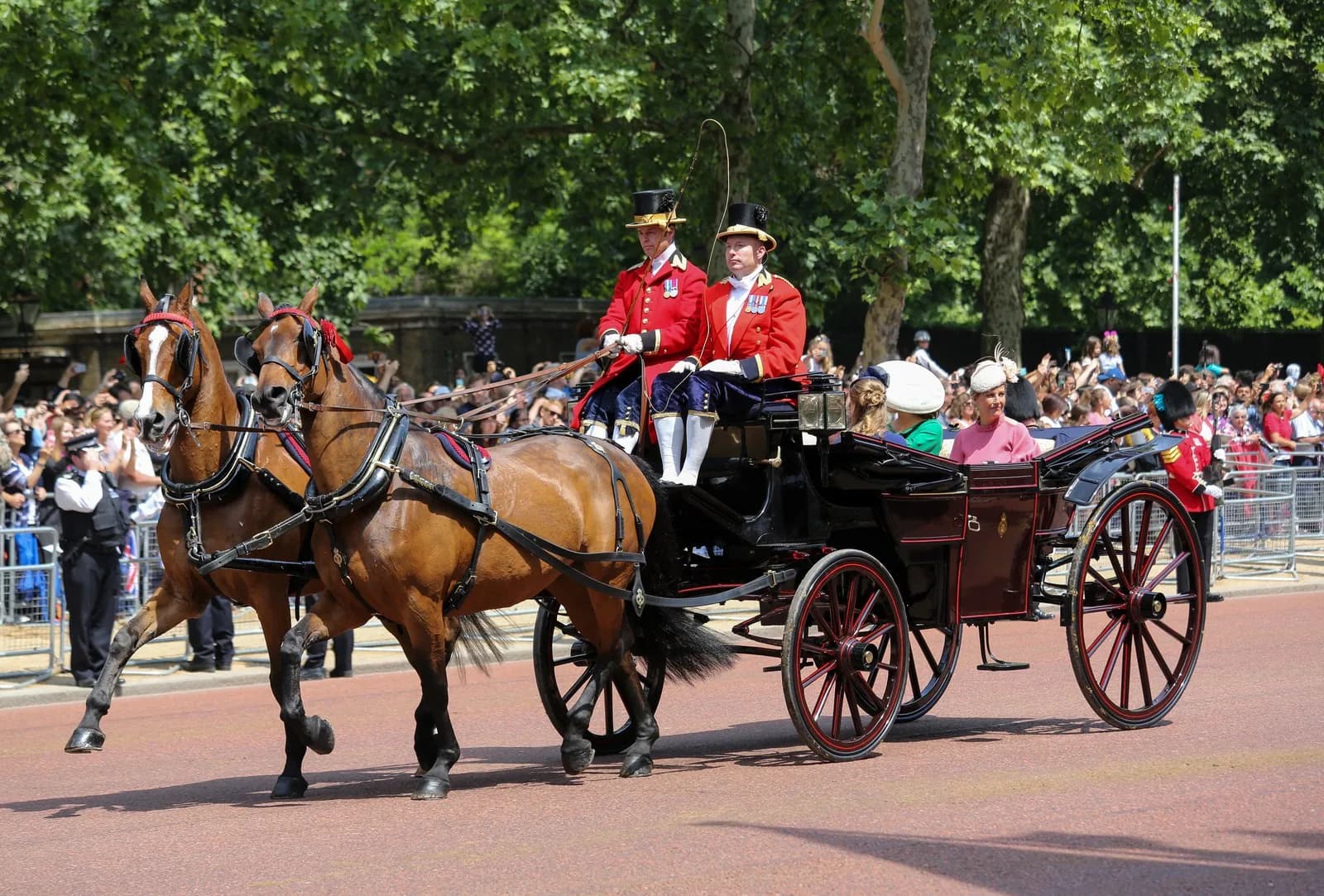
The Windsors, United Kingdom. Few royal families command global fascination like the British royals. King Charles III has reigned since 8 September 2022, following Queen Elizabeth II, who held the throne from 1952 until her death in 2022. The king is head of state of 15 countries, including Canada and Australia, as well as the United Kingdom. His heir is his elder son, William, Prince of Wales. From the coronation to the balcony appearances at Trooping the Colour, the Windsors remain the standard against which other royal families are measured.
The Bourbons, Spain. Spain's royal family belongs to the House of Bourbon, which has French origins. King Felipe VI took the throne on 19 June 2014, after his father, Juan Carlos I, abdicated following a 39-year reign that began in 1975. Felipe took over with a cleaner image after years of royal drama around his father, and he has kept the monarchy steady since. His heir is his elder daughter, Leonor, Princess of Asturias.
The Bernadottes, Sweden. Sweden's royal family is one of a kind. King Carl XVI Gustaf has reigned since 15 September 1973, marking 50 years on the throne in 2023. His heir, Crown Princess Victoria, will one day become queen under Sweden's gender-neutral succession law. Queen Silvia has been consort since 1976, the longest-serving current consort in Europe.
The Orange-Nassaus, Netherlands. The Dutch royal family has ruled since 1815 and is known for a relaxed, approachable style. King Willem-Alexander took the throne on 30 April 2013, when his mother, Queen Beatrix, abdicated after a 33-year reign. Queen Máxima, born in Argentina, is one of the most visible consorts in Europe. Their heir is their elder daughter, Catharina-Amalia, Princess of Orange.
The Grimaldis, Monaco. Monaco is a tiny principality with an outsized royal family. The Grimaldis have ruled since 1297, and Prince Albert II has reigned since 2005. Princess Charlene is his consort, and their twins, Jacques and Gabriella, were born in 2014, with Jacques as heir. Wealth, glamour and a Mediterranean palace keep the family in the headlines far beyond Monaco's borders.
Beyond Europe
The Imperial House, Japan. Japan's imperial family has a history stretching back more than 1,400 years, making it one of the oldest continuing monarchies in the world. Emperor Naruhito took the throne on 1 May 2019, with Empress Masako beside him. The family's public life is formal and restrained, and its continuity — rather than celebrity — is what sets it apart.
The Hashemites, Jordan. King Abdullah II has reigned since 7 February 1999, with Queen Rania as his consort. Their elder son, Crown Prince Hussein, is the heir. The family is known well beyond Jordan, in large part because of Rania's international profile as an advocate for education and refugee rights.
What these families share is staying power. Most of them reign rather than rule, yet they have survived abdication, scandal, republican pressure and the glare of the modern press, and they still fill palaces, front pages and television screens. As long as the public keeps watching, the world's most famous royal families will keep giving it something to watch.